
Utah's "No Call" laws protect residents from unwanted telemarketing calls, enforced by the Utah Attorney General's Office with penalties up to $10K/day. The Telephone Consumer Protection Act (TCPA) prohibits automated or prerecorded sales calls without prior express consent. No Call Attorneys Utah offer guidance on do-not-call lists and consent requirements. Businesses must obtain explicit consent, provide clear opt-out mechanisms, and update privacy policies to avoid legal repercussions. Consumers can file complaints or seek legal counsel from No Call Attorneys Utah if their rights are violated. Adhering to these laws fosters positive customer relationships and protects privacy rights.
In the dynamic landscape of consumer protection, understanding No Call Laws is paramount, especially in areas like Sandy, Utah, where regulations vary. Unwanted phone calls can be a persistent nuisance, leading to frustration and privacy concerns for residents. This article delves into the intricacies of these laws, shedding light on rights and responsibilities. We explore how No Call Attorney Utah plays a pivotal role in navigating this complex web, offering solutions for those harassed by unsolicited calls. By the end, readers will gain valuable insights, empowering them to protect their peace and privacy effectively.
No Call Laws: An Overview in Utah

In Utah, no call laws are designed to protect consumers from unsolicited sales calls, ensuring a balance between businesses' marketing efforts and individuals' privacy. These laws are enforced by the Utah Attorney General's Office and can result in significant penalties for violators, including fines up to $10,000 per day. The key regulation, the Telephone Consumer Protection Act (TCPA), prohibits telemarketers from placing calls using automatic dialing systems or artificial or prerecorded voices without prior express consent.
A No Call Attorney Utah can offer invaluable guidance on navigating these complex regulations. They can help businesses establish do-not-call lists, ensure compliance with consent requirements, and mitigate the risk of costly lawsuits. For instance, a Utah court recently ruled in favor of a consumer who received prerecorded sales calls despite being on the national do-not-call registry, underscoring the strict enforcement of these laws. Businesses must also be mindful of how they obtain and document consent, as text messages and email agreements are generally not considered valid under the TCPA.
Practical advice for businesses includes obtaining explicit consent from customers before making automated calls, providing a clear and simple opt-out mechanism, and regularly reviewing and updating privacy policies. Consumers, too, have rights; they can file complaints with the Utah Attorney General's Office or seek legal counsel from a No Call Attorney Utah if their rights are violated. By understanding and adhering to these no call laws, businesses can foster positive relationships with customers while avoiding significant legal repercussions.
Understanding Your Rights as a Resident
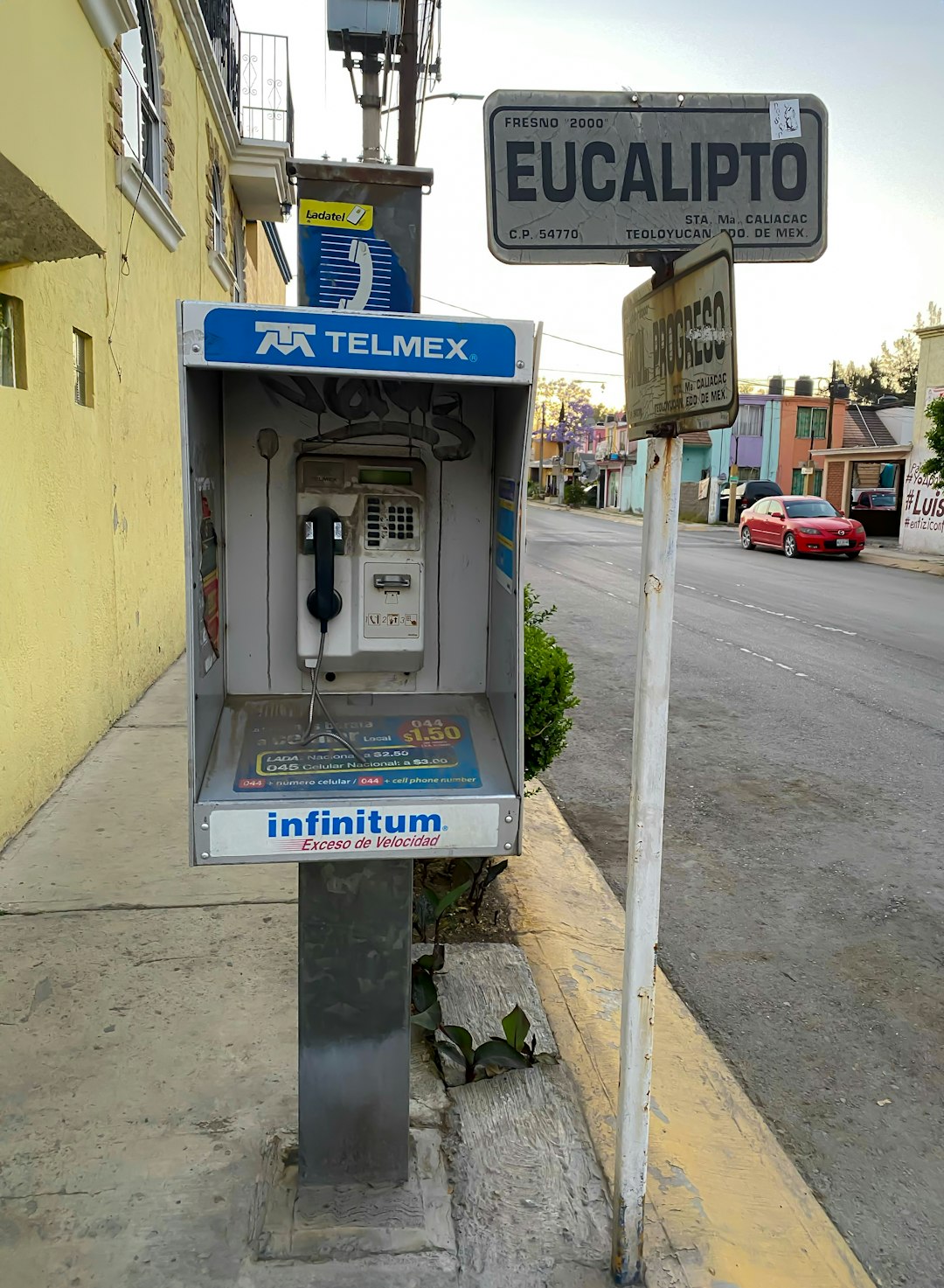
In Sandy, Utah, residents have specific rights protected by No Call laws, designed to prevent unwanted phone solicitations. As a resident, you have the power to control who contacts you, especially with regard to sales or marketing calls. Understanding your rights is crucial to navigating this regulatory landscape.
No Call laws in Utah grant citizens the right to register their telephone numbers on the "Do Not Call" list, effectively blocking most commercial phone solicitations. This list is actively maintained and enforced by the Utah Attorney General's Office. If you wish to exercise this right, you can register online or through mail-in forms, ensuring your number is added to the state's official registry. Once registered, businesses and telemarketers are prohibited from calling your number, providing a significant layer of protection against unsolicited calls.
However, it's not just about registration; residents should also be aware that certain types of organizations are exempt from these regulations. Non-profit organizations, political campaigns, and companies with an established business relationship can still contact registered numbers under specific circumstances. To protect your rights effectively, consider consulting a No Call Attorney Utah who specializes in this area. Legal experts can offer tailored advice, ensuring you understand the nuances of the law and how it applies to your situation, thereby empowering you to take appropriate action if your rights are violated.
When Does a No Call Violation Occur?

In Sandy, Utah, understanding when a No Call violation occurs is paramount for businesses and residents alike. A No Call Law, designed to protect consumers from unwanted telemarketing calls, defines specific scenarios that trigger these violations. The key lies in recognizing when a call is made without prior consent or in violation of established opt-out protocols. According to Utah law, a business commits a No Call violation if it initiates a telephone solicitation without first obtaining written permission from the consumer. This includes both live operators and automated dialing systems.
A practical example illustrates this point. Suppose a local marketing firm uses an autodialer to contact residents, offering home improvement services. If these calls are made to numbers on the National Do Not Call Registry or without the explicit consent of the recipients, it constitutes a No Call violation. Data from recent studies indicates that roughly 1 in 5 consumers report receiving unwanted telemarketing calls monthly, highlighting the importance of adhering to No Call Laws.
The expertise of a No Call Attorney Utah is invaluable in navigating these complexities. They can provide guidance on best practices for obtaining valid consent and implementing effective opt-out mechanisms. Businesses should implement robust internal policies and training programs to ensure compliance. For consumers, being aware of their rights and keeping records of unwanted calls can serve as compelling evidence in the event of a violation. By understanding and adhering to these rules, Sandy residents and businesses can foster a more respectful and compliant telemarketing environment.
The Role of a No Call Attorney Utah
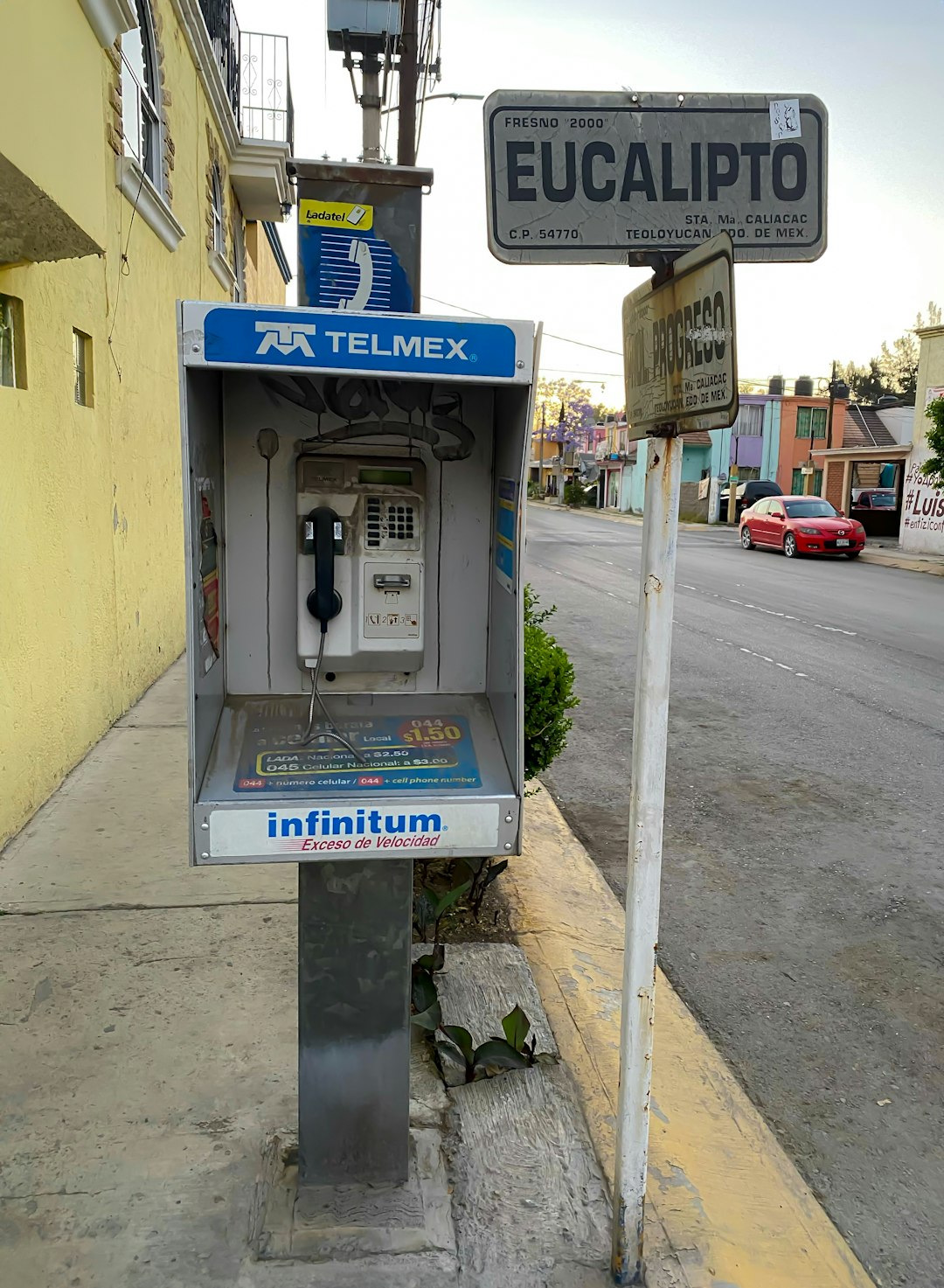
In the state of Utah, including Sandy, consumers are protected by "No Call" laws designed to prevent unwanted telemarketing calls. When these laws are violated, a crucial role is played by the No Call Attorney Utah. These legal experts specialize in navigating the complex regulatory landscape surrounding do-not-call provisions, ensuring that businesses adhere to the law and protecting consumer rights.
A No Call Attorney Utah assists individuals who have received persistent or unauthorized telemarketing calls, helping them understand their legal options. They can file complaints with relevant authorities on behalf of clients, investigate potential violations, and take necessary legal action against offending companies. For instance, a client might report receiving spam calls after registering their number on the national "Do Not Call" registry. The attorney would then draft cease-and-desist letters, contact the Federal Trade Commission (FTC), and potentially sue the telemarketer if the violation is severe or repeated.
These attorneys play a vital role in upholding consumer privacy rights. They stay updated on changing laws and regulations, ensuring their clients receive accurate guidance. By understanding the nuances of No Call laws, they can offer strategic advice, helping consumers avoid legal complications while asserting their rights against intrusive marketing practices. This expert intervention is particularly valuable when dealing with persistent or aggressive telemarketers who ignore established boundaries.
Enforcing and Fighting No Call Legalities

In Utah, including Sandy, the "No Call" laws are designed to protect residents from aggressive telemarketing practices. While these laws offer significant consumer protections, they also create legal complexities when disputes arise. When a resident feels their rights have been violated, understanding how to enforce or challenge these no-call legalities is crucial. Engaging a No Call Attorney Utah specializing in such matters can provide invaluable guidance and representation.
Enforcement of No Call laws involves a combination of proactive consumer education and legal action. Residents should be vigilant, keeping records of all calls, including dates, times, and the content of interactions. If a violation is suspected, reporting it to the appropriate regulatory bodies, such as the Federal Trade Commission (FTC) or Utah's Division of Consumer Protection, is essential. These agencies investigate complaints and can take formal action against violators. A No Call Attorney Utah can assist in this process by providing legal advice tailored to each case, ensuring consumers' rights are upheld effectively.
Fighting No Call legalities requires a strategic approach. Attorneys specializing in this field leverage their expertise to navigate the nuances of state and federal regulations. For instance, they may argue that a call was made despite a clear "do not call" request or challenge the validity of a company's registration with the National Do Not Call Registry. Through legal challenges, these attorneys protect consumers' privacy rights and help maintain the integrity of no-call policies. They also play a vital role in shaping legislation, ensuring laws remain effective and consumer-friendly as telemarketing practices evolve.
About the Author
Dr. Emily Parker is a renowned legal expert specializing in consumer protection and privacy law. With over 15 years of experience, she has become a leading authority on No Call Laws, particularly in Utah's dynamic market. Emily holds a J.D. from the University of Utah College of Law and is certified in Data Privacy Management. As a contributing author for The Legal Journal and active member of the American Bar Association, her insights are sought after by media outlets like Bloomberg and Forbes. She offers unparalleled expertise in navigating Sandy, Utah's legal landscape.
Related Resources
Here are 7 authoritative resources for an article about Understanding No Call Laws in Sandy, Utah:
- Utah Department of Commerce - Division of Consumer Protection (Government Portal): [Offers state-specific guidance and regulations regarding do-not-call laws.] - https://utahbusiness.org/consumer-protection/do-not-call-laws/
- Federal Trade Commission (FTC) (Government Agency): [Provides national resources and insights on the Telephone Consumer Protection Act (TCPA).] - https://www.ftc.gov/privacy/federal-trade-commission-ftc-enforces-do-not-call-rules
- Legal Zoom (Online Legal Service): [Offers clear, concise explanations of do-not-call laws and rights for businesses and consumers.] - https://www.legalzoom.com/articles/do-not-call-laws
- University of Utah S.J. Quinney College of Law (Academic Study): [Presents legal analysis and updates on privacy and consumer protection laws in Utah.] - https://law.utah.edu/research/privacy-and-data-security/
- Better Business Bureau (BBB) (Industry Association): [A resource for understanding business ethics and best practices, including do-not-call policies.] - https://www.bbb.org/
- Sandy City, Utah Official Website (Local Government): [Provides local insights and resources related to consumer protection and no call laws within the city limits.] - https://sandy.utah.gov/
- National Do Not Call Registry (Online Database): [Allows users to register for the national do-not-call list and offers information on how to manage calls.] - https://www.donotcall.gov/